Unlocking the Perks of AI for Human Capital Threat Monitoring and Insider Risk Reduction
In today's electronic landscape, organizations face considerable challenges associated to human resources threats and insider risks (Insider threats). Advanced innovations, specifically expert system, offer encouraging remedies to enhance risk administration. By examining customer actions and spotting anomalies, AI can supply crucial insights. Nevertheless, the assimilation of these devices questions about effectiveness, application, and future growths. Exploring these aspects reveals a complex interplay between technology and safety and security that requires closer evaluation
Understanding Human Capital Risks in the Digital Age
As organizations significantly take on electronic innovations, they deal with a myriad of human funding risks that can impact their overall efficiency. Staff members may struggle to adjust to brand-new tools and processes, leading to lowered efficiency and engagement. Additionally, the electronic atmosphere can facilitate the spread of false information and reduce partnership among groups, hindering and developing silos development.
The shift to remote work introduces difficulties in keeping an eye on staff member performance and keeping workplace culture. Organizations has to additionally compete with cybersecurity dangers, where insider dangers can arise from workers inadvertently or maliciously endangering sensitive info.
Furthermore, the quick pace of technical change can produce an abilities gap, as existing workers might lack the essential training to leverage brand-new systems effectively. Understanding and reducing these human capital threats is vital for companies aiming to flourish in the electronic age while safeguarding their labor force's health and efficiency.
The Role of AI in Identifying Insider Threats
While organizations navigate the complexities of a digital landscape, the function of synthetic intelligence (AI) in identifying expert hazards has actually become progressively essential. AI technologies leverage advanced formulas and machine understanding to analyze vast amounts of information, detecting patterns that show possible malicious behavior from contractors or workers. By constantly keeping track of user activities, AI can recognize abnormalities that depart from regular behavior, such as unapproved accessibility to sensitive information or uncommon information transfers.
AI systems boost threat discovery by incorporating various data sources, consisting of email interactions, network website traffic, and access logs. This holistic approach provides companies with a comprehensive view of possible threats. Furthermore, AI can adapt and improve its detection abilities with time, finding out from brand-new information and evolving danger landscapes. As a result, businesses that carry out AI-driven remedies can considerably lower the possibility of expert threats, protecting their properties and maintaining a protected operational setting.

Enhancing Danger Administration Techniques With AI Equipment
Organizations can considerably boost their risk management methods by integrating AI devices that enhance decision-making procedures and enhance information analysis. AI technologies offer innovative analytics capabilities, making it possible for companies to identify possible threats more promptly and properly. By leveraging maker learning formulas, firms can assess vast quantities of historical information to uncover patterns and trends that may suggest arising threats.
AI tools can automate regular monitoring tasks, permitting threat administration teams to concentrate on higher-level critical efforts. This automation not just increases efficiency yet likewise minimizes the possibility for human error in threat evaluations. Predictive analytics can also forecast potential threats, enabling positive steps instead than reactive reactions
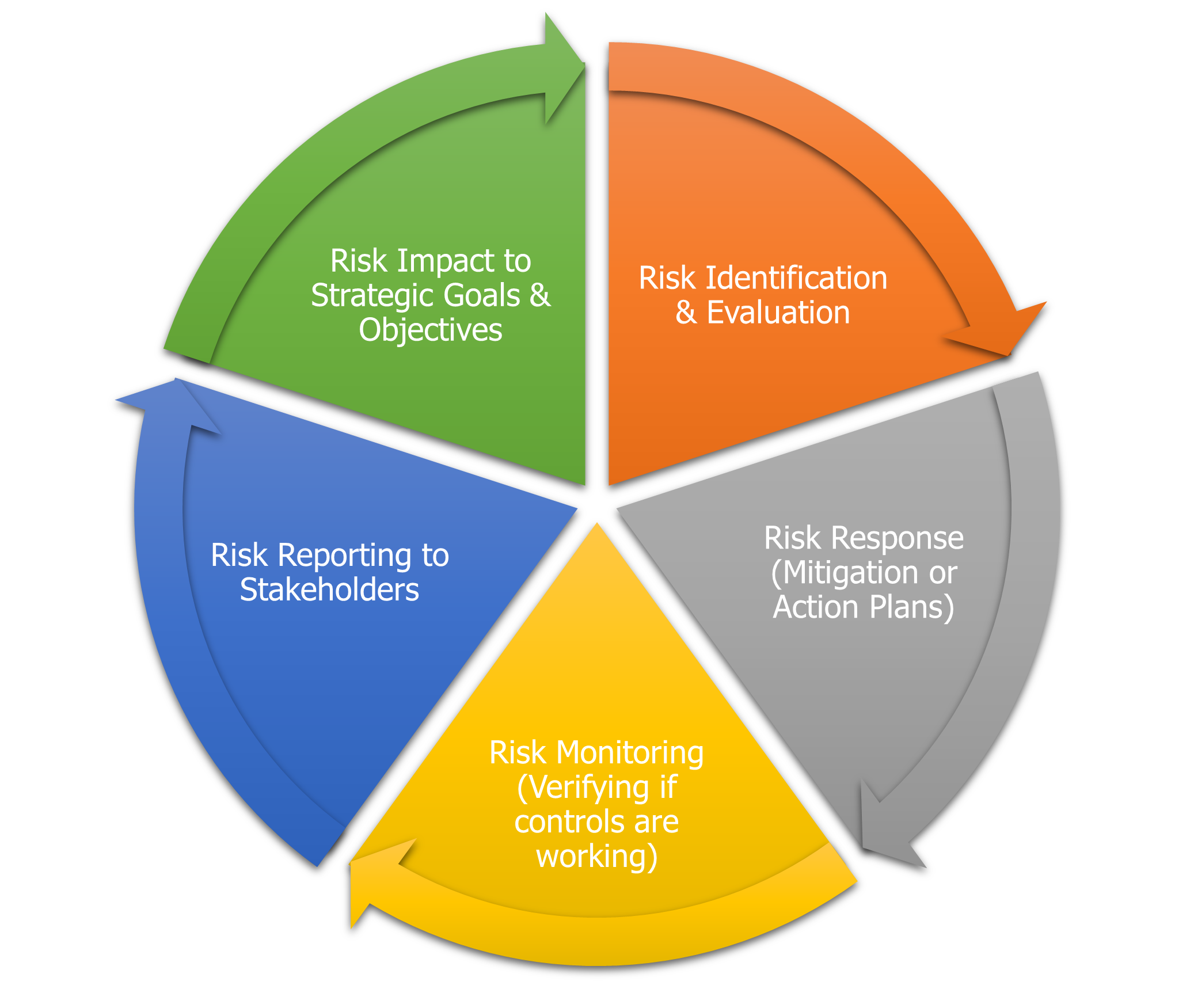
Eventually, the integration of AI into risk monitoring frameworks outfits companies with the dexterity required to adjust to progressing risks while improving their general resilience. By using these innovative devices, companies can guarantee a lot more durable and enlightened risk monitoring practices.
Situation Studies: Effective Implementations of AI in Risk Administration
Many organizations have effectively incorporated AI right into their risk management frameworks, showcasing the substantial benefits of these sophisticated modern technologies. One notable instance is a major economic establishment that deployed AI-driven analytics to determine potential insider risks. By Full Report evaluating staff member actions patterns, the system flagged anomalies, making it possible for prompt intervention and reducing occurrences by 30%.
One more example involves a global production company that used AI to improve its employee keeping track of procedures. The AI formulas analyzed communication networks and identified risks connected with functional inefficiencies, resulting in a 25% decrease in human capital-related losses.
A medical care provider also carried her response out AI tools to handle compliance threats effectively. Insider threats. By automating the tracking of regulative modifications, the organization boosted its adherence to market requirements, reducing legal vulnerabilities. These situation researches show how AI not just alleviates threats but also cultivates proactive management techniques across various sectors
Future Fads: The Evolving Landscape of AI in Human Funding Security
As innovation advances, the future of AI in human funding safety and security is poised for transformative modifications that assure to redefine risk monitoring techniques. Organizations are significantly taking on innovative algorithms capable of real-time information analysis, making it possible for proactive identification of potential insider hazards. Boosted device learning models will certainly assist in nuanced behavioral analytics, permitting business to identify between destructive and benign actions better.
The integration of AI with other emerging innovations, such as blockchain, will certainly better boost information integrity and safety protocols. As AI systems come to be extra advanced, they will also highlight ethical considerations, making certain openness and liability in decision-making processes.
On top of that, continual discovering systems will certainly equip AI devices to adjust to developing danger landscapes, ensuring continual protection versus human resources dangers. Inevitably, the merging of AI innovations will certainly cause more adaptive and resistant human funding safety structures, maximizing organizational safety and security and efficiency.

Frequently Asked Questions
Exactly How Can Small Companies Take Advantage Of AI for Threat Monitoring?
What Are the Expenses Linked With Applying AI Solutions?
Executing AI remedies incurs expenses such as software procurement, equipment upgrades, training workers, recurring maintenance, and possible integration with existing systems. Furthermore, services may face expenses connected to data personal privacy and conformity with policies.
How Can Employees Be Trained to Deal With AI Equipment?
Workers can be trained to work with AI tools through detailed workshops, hands-on practice, and recurring assistance. Constant understanding possibilities enhance their understanding, ensuring look at this website efficient assimilation of AI solutions right into their everyday jobs and responsibilities.
What Moral Considerations Emerge From Utilizing AI in Risk Administration?
The ethical factors to consider of AI in risk management consist of data privacy, algorithmic predisposition, openness, liability, and the possibility for discrimination. Organizations has to browse these difficulties to ensure reasonable and accountable use AI innovations.
Exactly How Does AI Take Care Of Information Personal Privacy Worries in Danger Analyses?
AI addresses information privacy issues in danger evaluations by applying file encryption, accessibility, and anonymization controls. These steps help protect delicate info while allowing companies to assess information successfully without compromising private privacy civil liberties.
Inevitably, the combination of AI into threat administration frameworks outfits companies with the agility required to adapt to developing risks while enhancing their general resilience. Countless organizations have efficiently incorporated AI into their threat administration frameworks, showcasing the tangible advantages of these advanced innovations. As technology developments, the future of AI in human resources safety is poised for transformative changes that guarantee to redefine danger management techniques. In enhancement, constant learning devices will certainly equip AI tools to adapt to advancing danger landscapes, making sure sustained protection versus human capital threats. The ethical considerations of AI in threat management consist of information privacy, mathematical prejudice, transparency, liability, and the capacity for discrimination.
Comments on “Insider threats offer a complete outlook for strengthening protection”